Australian charger specialists · Knoxfield, Victoria Call (03) 9764 8444Review site · Stripe sandbox
Airports & GSE

Battery chargers for airport ground support equipment

Plan electric GSE charging around operating windows, outdoor bays and pooled equipment. Match battery interfaces and available site power.

Plan the charging around the work.

Match charging to the next duty for your tugs, tractors and other electric GSE. Battery interfaces, parking positions and available power belong in the same plan.

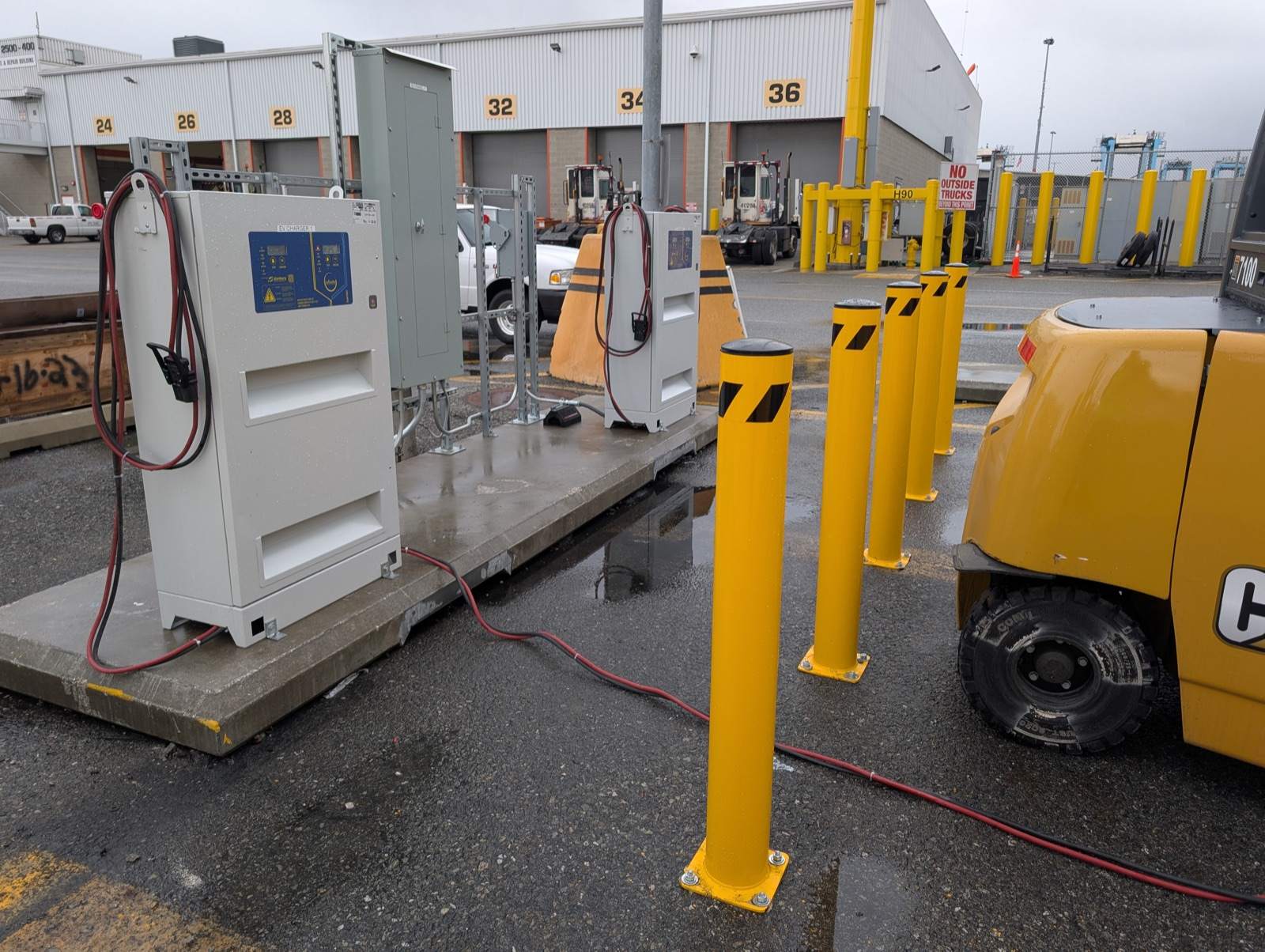
Stanbury outdoor cabinets beside protective bollards
Example outdoor charging installation; not an airport or customer reference.
01

Use the real gap between duties

Include the busiest operating windows, return times and reserve equipment. Short turnarounds may justify higher output, within the battery’s permitted current and profile. Decide which units need priority when several return together.

02

Build an outdoor bay operators can use

Position cabinets around the actual parking pattern. Check connector reach, cable storage, traffic clearance and drainage alongside rain, heat and dust. Suitable filtered or outdoor arrangements need accessible maintenance points. Use the selected cabinet’s published rating and the airport’s installation requirements.

03

Match every output to its equipment

Similar-looking GSE may use different batteries, connectors or communication. Multi-output arrangements need an assigned profile and connection for each position, with total demand reviewed during simultaneous use. Multi-voltage operation does not make every interface interchangeable.

Give pooled equipment a clear return process

Agree who connects a returned unit, how readiness is checked and who deals with a fault. Define the charge needed for its next duty. RTPI can support visibility on compatible equipment; integration with a wider pooling platform is a separate requirement.

Before you specify

Charging questions.

How should a bay work for pooled GSE?

Define who connects returned equipment, who checks readiness and who handles faults. Assign profiles and connections to the equipment using each position, and plan the next-duty priority. RTPI visibility and any pooling-platform integration need separate compatibility checks. Review charging visibility.

Can mixed-voltage GSE share a charger?

A compatible model can support batteries within its published voltage outputs and configured profiles. Check chemistry, approved current, connector and communication for each unit. Similar-looking tugs or loaders are not evidence of the same charging interface. Check battery profiles.

Where should apron charging cabinets be placed?

Plan around normal parking positions, cable reach, connector storage and traffic clearance. Check drainage, rain, heat, dust and service access against the selected cabinet’s rating and the airport’s installation requirements. Review outdoor charging.