Australian charger specialists · Knoxfield, Victoria Call (03) 9764 8444Review site · Stripe sandbox
Coolstores & cold chain

Battery chargers for coolstores and cold-chain fleets

Choose cold-store charging around battery temperature, condensation and duty. Review passive cooling and charging-area requirements.

Plan the charging around the work.

Freezer work, chiller work and charging in an ambient bay place different demands on the equipment. We consider battery temperature, moisture and cooling design together.

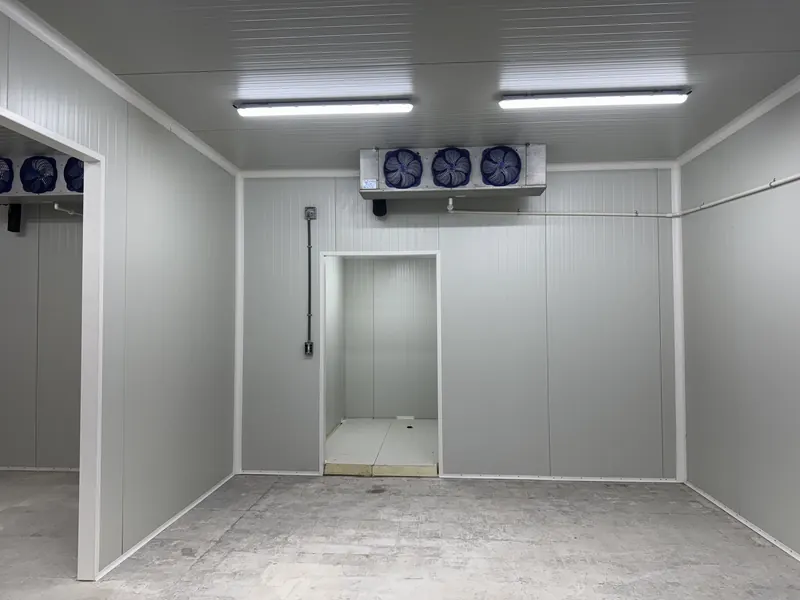
Cold-room interior with an overhead evaporator and doorways between storage zones
Illustrative cold-room environment, not a Stanbury installation. Photo by Dylan Espinoza Pereira · CC0.
01

Why we often consider passive cooling

We often recommend a suitable passively cooled model where moisture can affect cooling fans. The choice must still meet the required output and approved operating temperature. Passive cooling is not a freezer or waterproof rating; select the model and location for the actual conditions.

02

Check the battery temperature

A truck may move through freezer, chiller and ambient zones before charging. The battery can remain cold after the room changes. Its charging limits, heating and any temperature sensing or BMS communication determine when charging is permitted; the freezer set-point alone is not enough.

03

Choose the charging location deliberately

Condensation, cleaning splash and cable handling affect the charger, connector and mounting. Charging in an ambient bay and inside a freezer need separate assessments. Keep bays accessible during product movement, and assess short top-ups using the approved battery profile rather than a general warm-condition time estimate.

Temperature and enclosure protection are separate checks

The charger’s operating range, enclosure protection and battery charging limits answer different questions. An outdoor cabinet does not establish freezer suitability. We select the complete arrangement around the charging-area temperatures, moisture exposure and required duty.

Before you specify

Charging questions.

Is a passively cooled charger always the right choice?

We often consider a suitable passive model where moisture may affect fans. It must still meet the output and approved temperature requirements. Cooling method alone does not establish freezer suitability or protection from water. Discuss the application with technical support.

Can a lithium battery charge immediately after freezer work?

Only within the battery manufacturer’s charging-temperature limits. The pack can remain cold after returning to an ambient room. Temperature sensing, heating and any BMS communication may determine when charging is permitted. Review battery temperature requirements.

Does an outdoor cabinet establish freezer suitability?

No. Enclosure protection, charger operating temperature and battery charging limits are separate checks. Confirm the minimum and maximum temperatures, condensation and cleaning exposure at the actual charging position. Review outdoor configurations.